RIGHT TO HEALTH 4 – Dental, Gynecological, and Cardiology Fields in Nepal
The project intervenes in three priority areas in Upper Pharping and Kathmandu, Nepal: cardiovascular health, female reproductive health and oral health. Through screening, visits and free treatment, the strategy aims to improve access to health services for the most vulnerable people, combining clinical activities with education and awareness of prevention.
The intervention involves the organization of mobile medical camps in local communities, so as to reach beneficiaries directly in their places of residence and reduce barriers to access to care.
At the end of the project, at least 2,000 minors will have benefited from cardiological screening and training activities on healthy lifestyles, at least 100 women will have had access to screening and gynecological care and at least 1,100 people will have received dental care and oral hygiene education.
The context
In Nepal, the health system still has significant structural deficiencies and is accessible only to a limited part of the population. Persistent economic vulnerability, aggravated by the effects of the global economic crisis, has contributed to an increase in the number of people living in extreme poverty, further limiting their ability to access prevention, diagnosis and treatment services. As a result, even easily treatable diseases tend to evolve into more serious forms, with often permanent consequences for patients’ health.
In the areas of intervention of the project – the peripheral areas of Kathmandu and the Upper Pharping region – three main health criticalities have been identified.
- Cardiovascular health: in 2017, deaths caused by cardiovascular disease were 26.9% of the total. The incidence and mortality rates associated with them have been continuously increasing since 1990, with a greater impact among males and older age groups.
- Oral health: in Nepal, dental care is provided almost exclusively by private practices with rates that are unaffordable for the majority of the population: simple cavities, untreated gingivitis and periodontitis cause serious consequences.
- Reproductive health: In Nepal, in the decade 2010-2020, teenage pregnancies affected 88 girls per 100,000. Only 58% of births take place in the presence of specialized medical personnel (data: UN Population Fund). The disparity in access to prevention and treatment regarding reproductive health generates serious effects: most cases of cervical cancer (the most common among Nepalese women), for example, are diagnosed at an advanced stage and explain the high mortality rate correlated with it.
Activities
- Mobile cardiology camps:
Construction of two mobile cardiology camps in schools in the Pharping area to carry out cardiological screenings for about 2,000 students, identify any pathologies early and promote healthy lifestyles. The most serious cases identified during the screenings will be taken care of through life-saving cardiac surgery at specialized facilities in Kathmandu, with full coverage of health and care costs for at least 4 minors from vulnerable families.
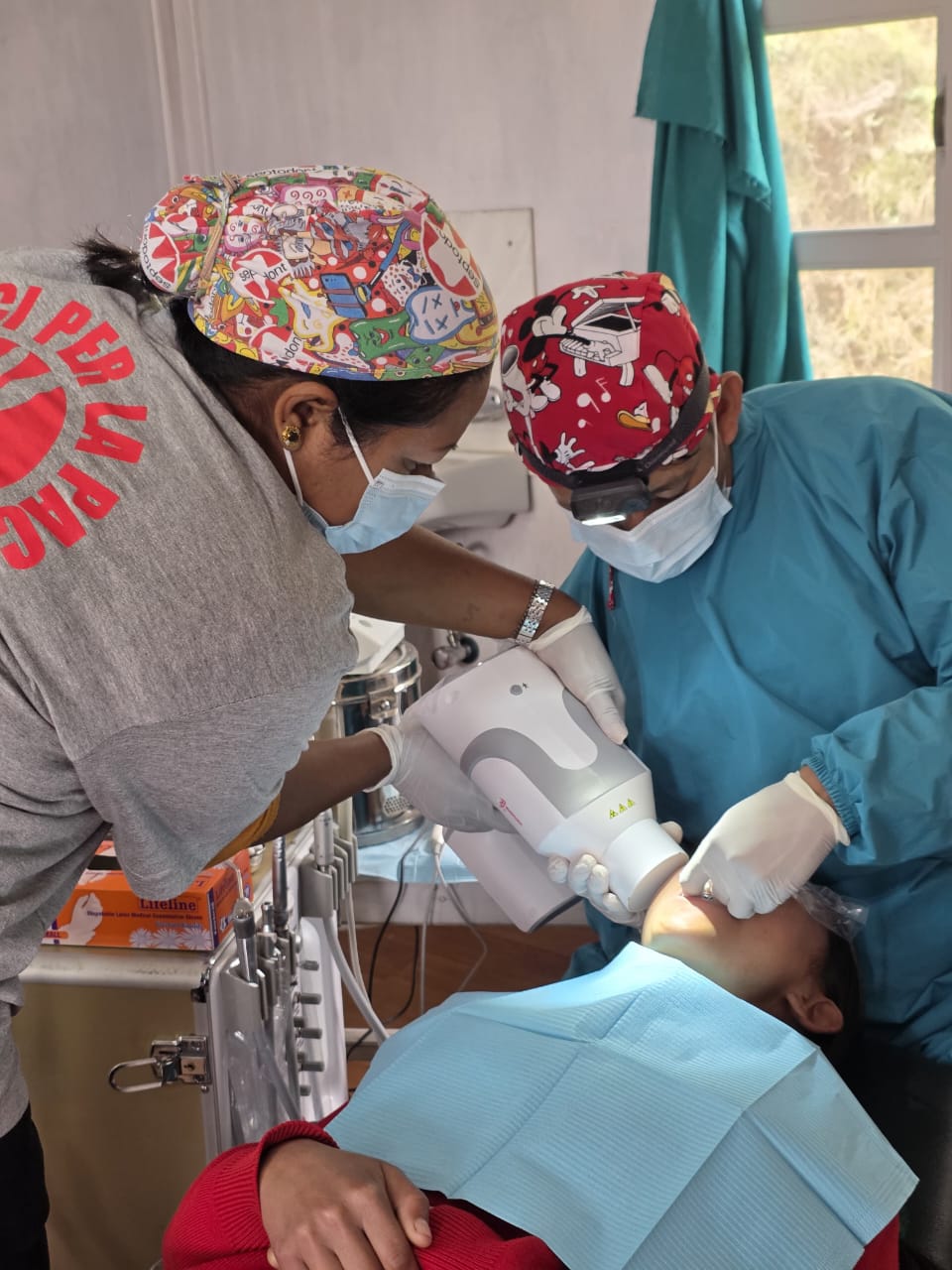
- Mobile Dental Fields:
Creation of six mobile dental camps to offer free dental care to at least 1,100 people in socio-economic disadvantaged conditions. Activities will include basic dental visits and treatments, possible referral to specialist services and oral hygiene education programmes, supported by the distribution of kits for daily oral care.
- Mobile gynecological camps:
Organization of six mobile gynecological camps in the areas of Upper Pharping, Kavre and Nuwakot, aimed at guaranteeing over 100 women free access to specialist visits, Pap smears and awareness-raising activities on the prevention of cervical and breast cancer. The beneficiaries will also participate in reproductive health education courses and, if necessary, will be able to access diagnostic insights and specialized treatments.