In the border region of the Mandera Triangle, straddling Somalia and Kenya, Doctors for Peace’s humanitarian commitment continues to counter the health and food crisis affecting the most vulnerable communities.
Update of 13 October 2026
The project, supported by the Otto per Mille funds of the Waldensian Church and coordinated by Doctors for Peace ODV, continues its activities on the ground thanks to the collaboration with the partner organizations Lifeline Gedo (LLG) on the Somali side and NAPAD on the Kenyan side.
Somalia: prevention and food support in Belet-Hawo district
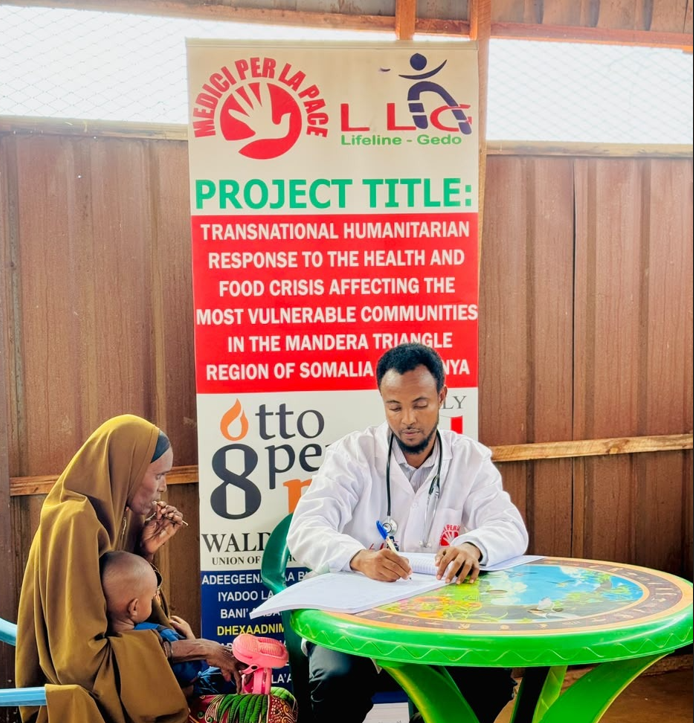
In the Belet-Hawo district, the Lifeline Gedo health team ensured a constant and widespread presence in the villages of Qaranri, Buurka and Tuulo-amin. The mobile clinics offered basic medical care and specialized assistance to pregnant or breastfeeding women and young children, ensuring pre- and post-natal visits, child development monitoring and primary treatments.
On the nutritional front, the operators continued anthropometric screening through arm measurement (MUAC), a fundamental tool for early detection of cases of acute malnutrition and initiating timely treatment. At the same time, the community meetings made it possible to raise awareness among families on the importance of good hygiene practices and proper nutrition, also overcoming the difficulties posed by the seasonal movements of nomadic groups.
Kenya: promotion of hygiene in the area and clinical services in Mandera
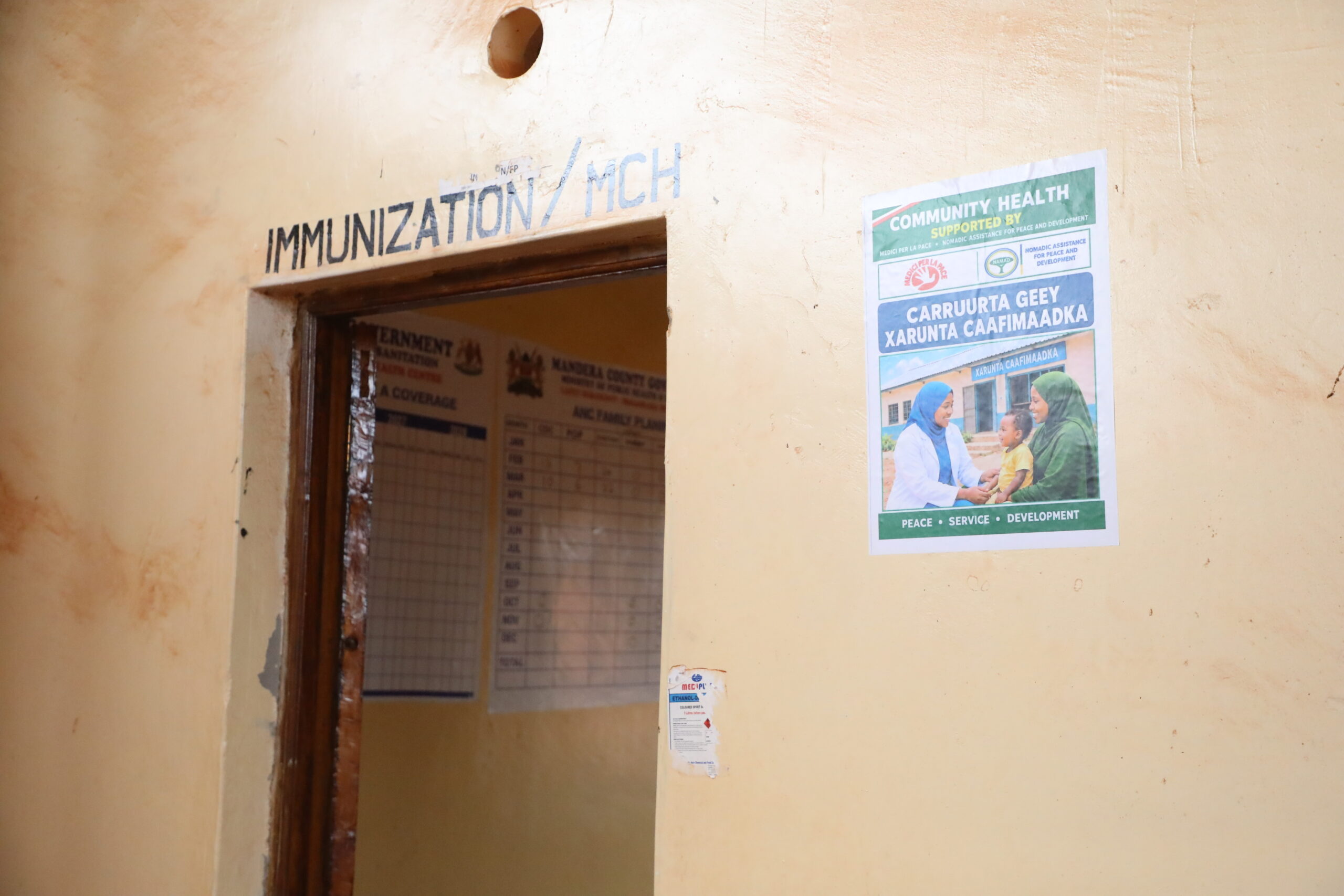
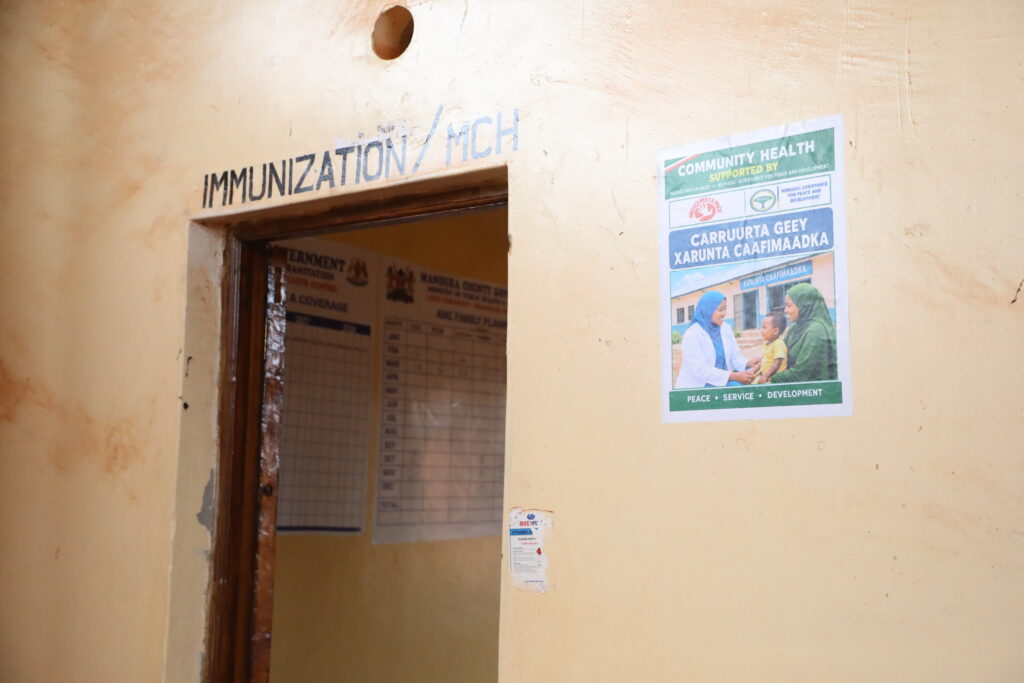
In Lafey Sub-County, Kenya, the NGO NAPAD worked closely with local health authorities promoting intensive community mobilization. A network of local health workers conducted an extensive door-to-door awareness campaign in the villages of Warankara, Gari and Bambo.
The initiative has adapted to the specific needs of each context: in Warankara the focus was on the promotion of exclusive breastfeeding in the first months of life, in Gari on the ability of families to independently recognize the signs of malnutrition, and in Bambo on the importance of a balanced diet in the weaning phase.
Alongside prevention and education, integrated mobile clinics located at the centres in Ambaye, Bulla Afia and Libeliye have provided medical examinations and the distribution of emergency nutritional aid to the most vulnerable mothers and children in the area.
Update of 5 September 2026
In Somalia: mobile clinics and health education in the district of Belet-Hawo
In the Belet-Hawo district, the local partner’s team, in collaboration with Doctors for Peace ODV, ensured continuity in the provision of primary medical services in the villages of Qaranri, Buurka and Tuulo-amin. Through the mobile clinics, in the first month of the project, 68 pregnant women, new mothers and children under five years of age received gynecological examinations, paediatric check-ups and vaccinations.
In parallel, activities to combat malnutrition provided emergency nutritional support and screening to 92 mothers and children. Community health education sessions were also organized, involving 785 residents on crucial issues such as the prevention of malnutrition, exclusive breastfeeding, and water and food hygiene. Despite the logistical difficulties related to transport and communication routes, the response of local communities remains solid and collaborative.
In Kenya: door-to-door prevention and listening to communities in Mandera
On the Kenyan side, in the villages of Warankara, Bambo and Gari, Doctors for Peace, together with its local partner, has launched a widespread campaign to raise awareness and promote hygiene in preparation for the start of clinical services. Taking advantage of the network of Community Health Units, in the first month of the project 30 local operators visited 154 households, bringing direct messages on disease prevention and good hygiene practices to over 1,040 people.
The initiative also allowed an important moment of dialogue with over 100 community leaders and seniors. During the meetings, the population was able to report the structural criticalities of local health centers — such as the shortage of essential medicines and the absence of running water — providing valuable data that the organization will transmit to the county health authorities to urge targeted interventions.
A joint effort for the future of the Horn of Africa
The results achieved during this period demonstrate the effectiveness of an integrated approach that combines emergency medical care with long-term prevention. In the coming weeks, plans include the intensification of mobile clinic tours and the start of nutritional distributions in Kenya, confirming the commitment to leave no one behind in one of the most complex regions of the African continent.
🤝The project is made possible thanks to the precious support of the funds of the Otto per Mille di Tavola Valdese