Help in emergencies and early recovery
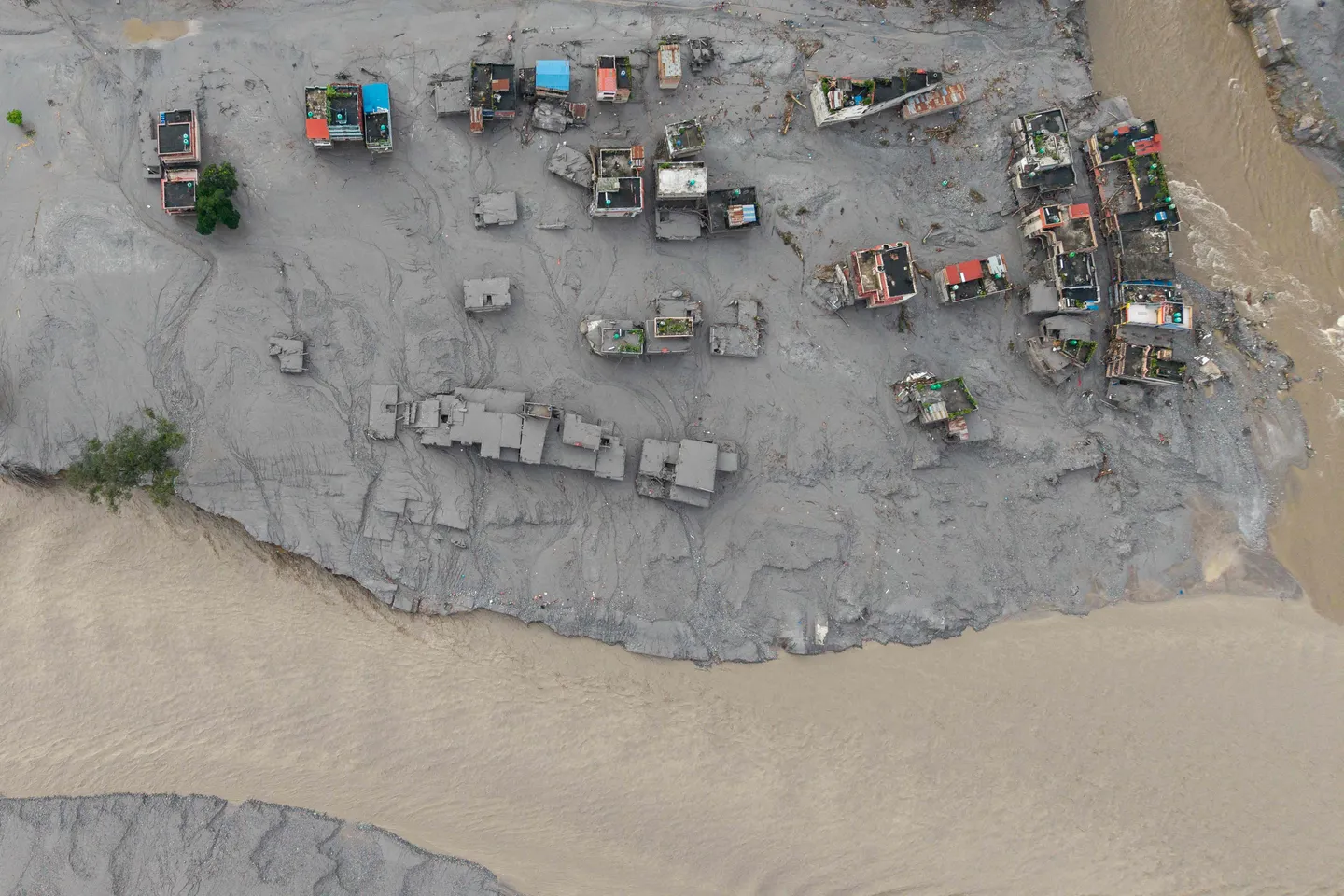
Doctors for Peace launched an emergency and early recovery project after the devastating flood that hit the Rasuwa district in Nepal on August 26. Hundreds of families suddenly found themselves living without a home, struggling to access food, drinking water, and electricity. They lost their livelihoods and access to healthcare.
Doctors for Peace, in collaboration with the local partner Benchen Free Clinic, has been active from the very first days to ensure humanitarian assistance and support for overcoming the emergency phase, helping those most vulnerable.
The context
On August 26, 2026, a violent flood event struck the Rasuwa district in Nepal, causing a devastating flood along the Bhote Koshi-Trishuli river system. In the following hours, the collapse of a large water collection upstream of the already affected areas generated a second wave of outflow, less devastating than the first, but further aggravating the hydro-geological instability of the area and making rescue operations extremely complex and dangerous.
According to estimates from the National Disaster Risk Reduction and Management Authority (NDRRMA), there were 1,453 victims and over 5,200 missing. Hundreds of people who survived the disaster, many of whom were injured, were left stranded on the valley slopes without access to essential goods, electricity, and without safe shelter.
Activities
Doctors for Peace, in collaboration with the local partner Benchen Free Clinic, immediately took action by planning a two-phase intervention aimed at:
- Ensure that the most affected and vulnerable individuals and families have access to essential goods and services necessary for survival and protection in the early stages of the emergency, with particular attention to the injured, pregnant and breastfeeding women, minors, the elderly, disabled, and displaced persons.
- Support the gradual restoration of living conditions in affected communities through the restoration of access to basic services, the restoration of living spaces and essential infrastructure, and support for the recovery of livelihoods.
Action 1: Immediate response to the humanitarian emergency
- Distribution of foodstuffs;
- Distribution of hygiene kits and water filters;
- Supply of clothing;
- Distribution of waterproof sheets and materials for temporary shelters;
- Setup of a temporary medical facility and therapeutic continuity;
- Psychological and psychosocial support interventions.
Action 2: Early recovery
- Support for the reactivation of livelihood sources;
- Communities have strengthened their capacity to cope with the consequences of the emergency;
- Continuation of psychosocial support;
- Strengthening the capacities of local partners (risk preparedness).