Post-earthquake emergency response in Nepal
According to the latest data released by the Nepalese Ministry of the Interior (12/12/2023), in the most affected communities, those of Jajarkot and Rukum Pashim, there are 17,792 homes completely destroyed to date and 17,529 that have suffered significant structural damage. 90,567 people have been affected by the harmful effects of the earthquake, and many others are indirectly at risk of suffering the consequences of the earthquake: there is a lack of basic necessities, such as food and drinking water, as the earthquake has destroyed many granaries and warehouses of rice, lentils and other legumes that represented the supply for survival during the long winter typical of this region. A new earthquake of magnitude 5.6, which occurred on Monday 6 November, further damaged the already unsafe structures. 466 minor tremors are forcing the population to sleep outdoors or in makeshift shelters. The arrival of the winter season is putting the displaced population in serious difficulty: the villages affected by the earthquake are in fact located above 1,000 meters above sea level, with temperatures that are rapidly dropping even below zero; The first deaths due to frostbite are being recorded.
In this context, the following urgent needs were identified by Physicians for Peace, in coordination with its regional contact person for Asia and the partner organization CDF:
- Food
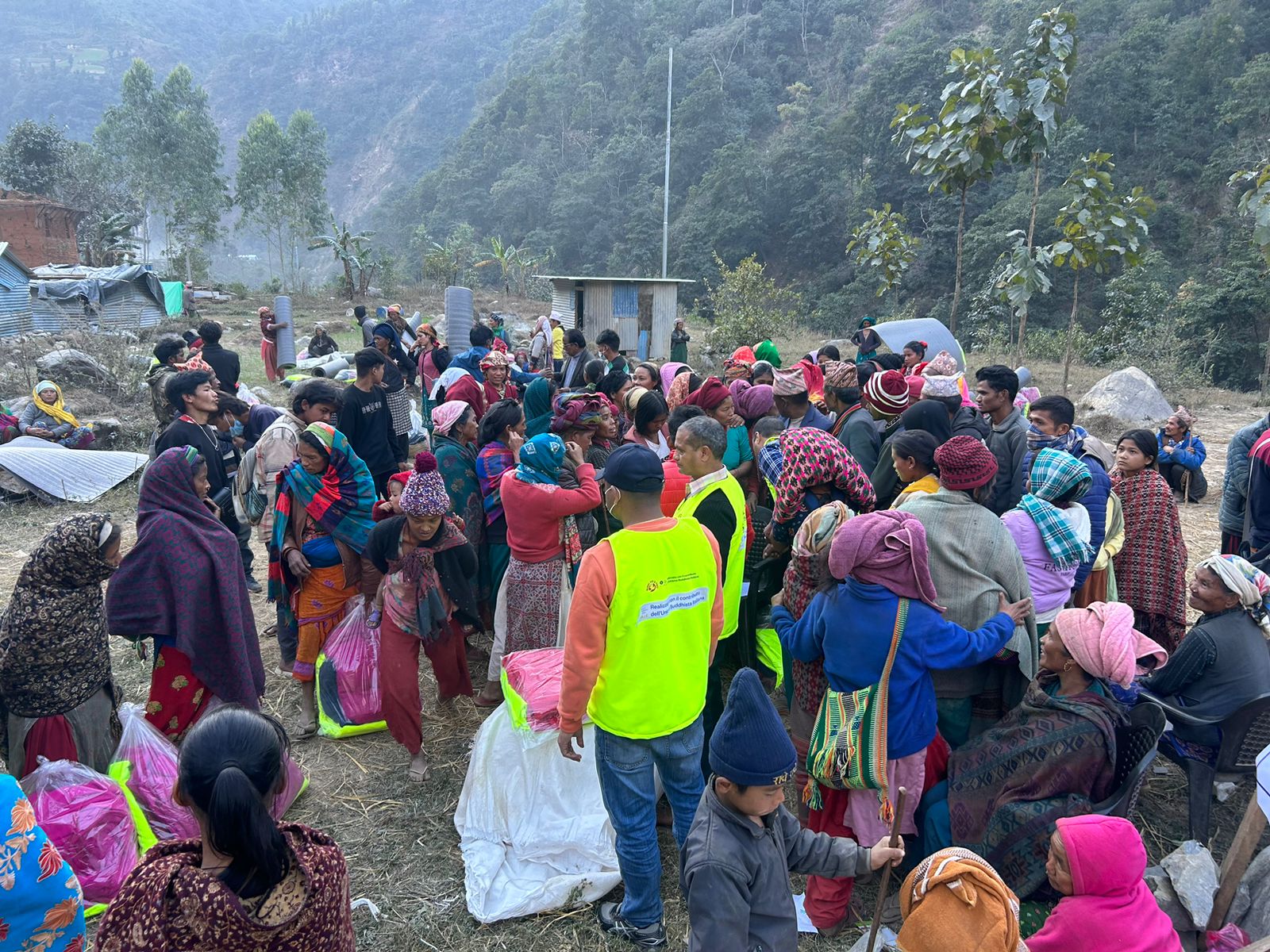
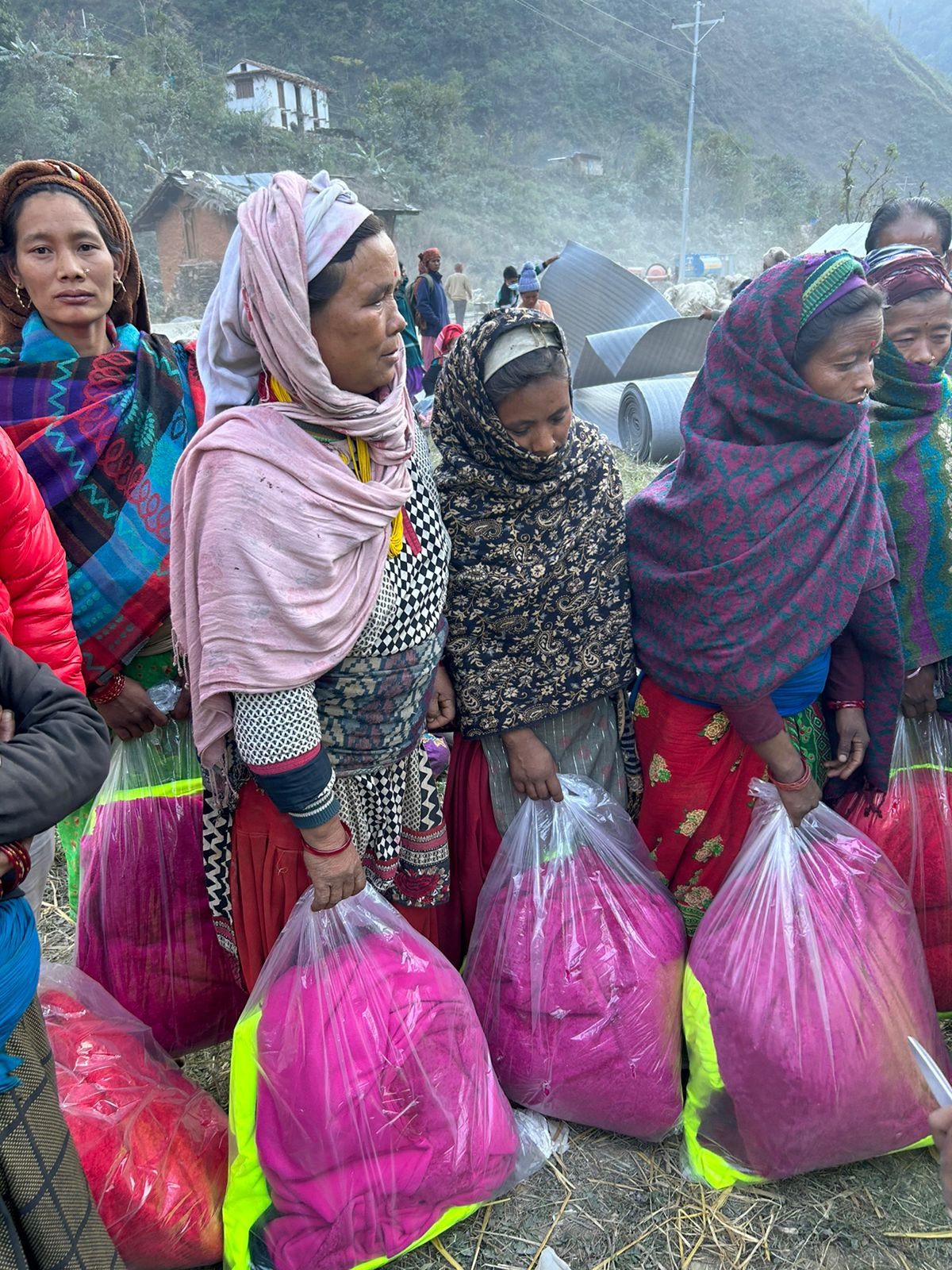
- distribution of mattresses, blankets and warm clothing (“Winter kits”);
- health support for problems generated by the seismic event and/or prior to it (e.g. families with children, the elderly, people with disabilities, people with chronic diseases, etc.).
For more information, read our project sheet.