Via Giovanni Cotta, 4

37131 Verona VR

Email Address

info@mediciperlapace.org

Contattaci

(+39) 045 8401310

NEPAL – Children in street situations

Children in street situations - Bambini di strada a Kathmandu

The project, carried out thanks to the 8×1000 funds of the Waldensian Board , intends to support street children in Kathmandu through the provision of social, health and educational services, carried out at reception and socialization centers. The goal is to start a path of accompaniment aimed at the reintegration of these children into society and, where possible, into their families of origin.

During the second year, the project is completed with first aid interventions at the usual meeting places of street children and young people. The activity is carried out through the use of a mobile unit thanks to which operators, educators and doctors, provide young people with immediate help with urgent needs and lay the foundations for the definition of a path away from the street.
Project Map

The context

Nepal is one of the poorest countries in Asia. Despite the progress achieved in the fight against social inequalities, today a quarter of the population still lives below the poverty line and almost half of the population is illiterate (48%). In the Human Development Index (HDI) of the United Nations Development Programme (UNDP), Nepal ranks 149th out of 188 countries. About 25% of the population lives below the poverty line, i.e. on less than $1 a day. It is estimated that there are about 4,000 children living on the streets in Nepal, including 500-550 in the city of Kathmandu. From research carried out by the local partner, CPCS, about 90% of children living on the streets are boys, the majority between the ages of 11 and 16; In addition, 71% say they have been living on the street for more than two years. In addition, 50% of children live by collecting plastic and then reselling it by weight, while the remaining 50% beg and buy cigarettes, alcohol or drugs with their daily income. About 70% of street children smoke cigarettes and sniff glue regularly.

Activities

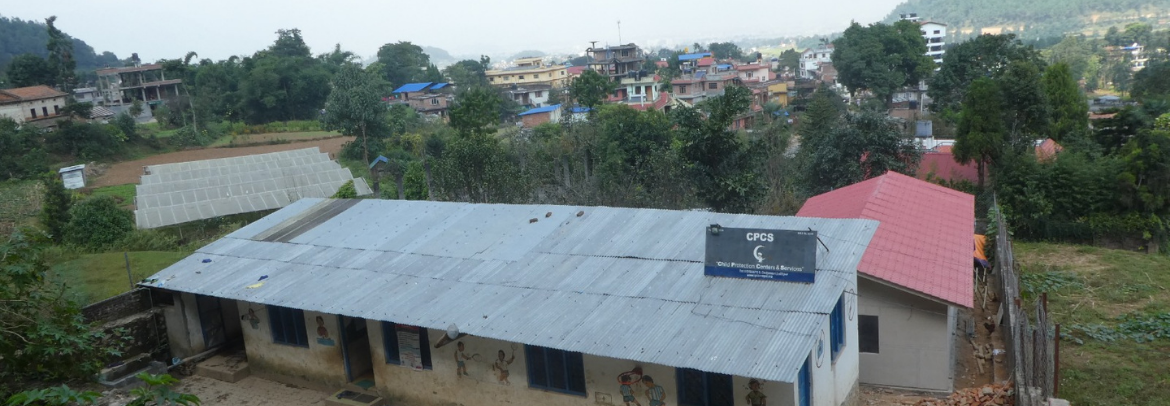
In this context, the intervention of Doctors for Peace plans to carry out activities at the first-level reception and socialization centers, Drop-In Centres, managed by the project partner. The activities, for each minor, last about 2 months in which the possibility of these children being reintegrated into society or a suitable family context will be evaluated. Among the activities carried out, educational training sessions are carried out (Nepali, English, mathematics lessons, etc.) and healthy lifestyles (personal hygiene lessons, prevention, good practices, etc.). The goal is to create a safe and secure training environment, in which to start a personalized rehabilitation program carried out in collaboration with educators, social workers and psychologists. In the second year, part of the activities also move to the field, to the usual places of life and aggregation of young people, with the aim of providing first assistance to the most urgent medical, psychological and social needs. The project also includes exchange and capacity building activities of the local partner, with distance learning moments in the areas of malaria and dengue prevention and WASH – Water, Sanitation and Hygiene good practices in marginalized contexts. – distance learning program; – Handbook on the prevention of malaria and dengue.

Ambito

Paese

Beneficiari

Durata

Sostenitori

Partner